Stages Infographics Doodle. Idea Lightbu
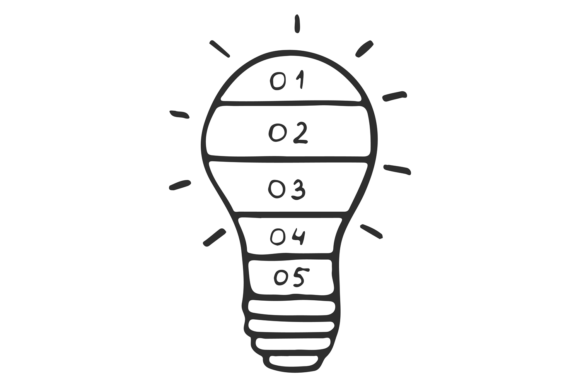
When I first pulled up the file for Stages Infographics Doodle. Idea Lightbu, my immediate thought was about clarity. As an embroidery designer who spends hours staring at stitch paths and density maps, I am often skeptical of designs that look good on a screen but fall apart under the needle. This particular piece, categorized under Illustrations and Graphics, presents itself as a clean, isolated lightbulb shape containing infographic stages. It is simple, yet it carries a specific weight in terms of visual communication. My goal here is not just to tell you what it looks like, but to evaluate whether this design holds up when translated into thread, specifically for real-world applications like custom apparel, boutique merchandise, or personalized gifts.
The First Impression: Mood and Visual Personality
The mood of this design is distinctly modern and educational. The "doodle" aspect suggests approachability, while the "infographics" component implies structure and logic. A lightbulb is a universal symbol for ideas, innovation, and problem-solving. When you combine these elements, you get a design that feels professional without being stiff. It has a playful energy that works exceptionally well for creative entrepreneurs, educators, and small business owners who want to convey a message of growth or brainstorming.
Visually, the isolation on a white background (or transparent PNG) is a blessing for digitizers. It means there are no stray pixels or messy edges to worry about during the initial import phase. The layout is centered, which naturally lends itself to chest placements on shirts or center-front placements on tote bags. However, the "stages" element inside the bulb requires careful attention. If the internal details are too fine, they risk becoming mud upon stitching. We will discuss how to handle those specifics shortly, but the overall aesthetic is one of clean, organized creativity.
Real-World Application: Where Does This Fit?
I recently considered using this design for a batch of custom embroidered patches intended for a local maker’s market. The target audience was young professionals and students—people who appreciate minimalism with a touch of whimsy. Here is how Stages Infographics Doodle. Idea Lightbu performed in my mental simulation of various product types:
- Tote Bag Design: This is perhaps the strongest use case. A canvas tote bag provides a large, flat surface area. Placing the lightbulb graphic in the center allows the "stages" inside to breathe. It turns a simple bag into a statement piece about productivity or creativity. For an Etsy seller, this is a high-value item because it appeals to students, teachers, and office workers alike.
- Sweatshirt Embroidery: On a heavyweight cotton sweatshirt, the design takes on a cozy, intellectual vibe. It works well for back-print placements or smaller left-chest logos. The contrast between the structured graphic and the soft fabric texture creates a pleasing tactile experience for the wearer.
- Baby Embroidery and Nursery Decor: While less obvious, this design could work beautifully on a baby blanket or a nursery wall hanging. The lightbulb shape is soft and rounded, avoiding any harsh angles that might feel aggressive in a child’s room. It serves as a subtle nod to future learning and curiosity.
- Commercial Embroidery for Corporate Gifts: For companies focused on innovation, training, or consulting, this design is gold. It is professional enough for a branded polo shirt but friendly enough to avoid looking corporate-dull. It fits perfectly into a suite of design assets meant to inspire employees.
Technical Considerations and Stitch Behavior
Let’s talk about the mechanics. The description notes that the source files include EPS, JPG, SVG, and transparent PNG formats. This is excellent flexibility. For machine embroidery, you will likely need to trace or vectorize the SVG/EPS into your digitizing software. The key challenge here is the stitch density within the "stages" portion of the lightbulb.
If the internal lines are too thin, they may not hold their shape after washing. I recommend converting the internal infographic lines into a combination of running stitch for outlines and fill stitch for solid blocks of color. Avoid overloading the design with dense satin stitches unless the areas are substantial. Satin stitch is great for borders, but if you try to satin stitch tiny internal details, the thread will likely break or pucker the fabric.
Another critical factor is thread colors. Because the original graphic is likely monochrome or low-color, you have the freedom to choose a palette that matches your brand. For a handmade product, I suggest using high-contrast threads. If you are embroidering on a dark fabric, ensure the lightbulb outline pops. If you are using a digital embroidery file that relies on negative space, test it thoroughly before committing to expensive materials.
Where to Use Carefully
Not every surface is suitable for this level of detail. You should exercise caution when placing this design on:
- Small Hoop Sizes: If the design exceeds 4x4 inches, you may need to split it or resize it significantly. Small hoops compress the fabric, which can blur the fine lines of the infographic stages.
- Textured Fabrics: Terry cloth, heavy fleece, or heavily woven linen can hide the intricate details of the doodle style. The texture competes with the design, making it look muddy rather than crisp.
- Stretchy Fabric: Unless you use a strong tear-away or cut-away stabilizer, stretchy knits can distort the circular shape of the lightbulb, making the infographic elements appear skewed.
- Curved Surfaces: While caps are popular, the flat nature of an infographic graphic can look awkward on a curved brim or crown. It is better suited for flat panels.
Affecting Product Value and Customer Trust
In the world of craft business and Etsy sellers, presentation is everything. A well-executed embroidery project signals quality and attention to detail. When a customer sees Stages Infographics Doodle. Idea Lightbu stitched cleanly on a finished product, it builds trust. It shows that you understand both design principles and technical execution.
This design also enhances giftability. It is neutral enough to be given to anyone who values ideas, learning, or creativity, yet specific enough to feel personal. Whether it is a personalized gift for a teacher, a graduation present for a student, or a holiday embroidery gift for a colleague, the symbolism of the lightbulb resonates universally. It elevates a simple commodity into a meaningful keepsake.
Practical Designer Notes for Final Execution
Before you rush to print printable mockups or list the item on your shop, follow these steps:
- Test on Scrap Fabric: Always run a test stitch on the exact fabric you plan to sell. Check how the thread colors interact with the material.
- Inspect Small Details: Zoom in on the digital file. Are the "stages" legible? If they are too small, consider simplifying the design or increasing the size of the final output.
- Check Licensing: Since this is a commercial asset, verify the license terms. Can you sell the finished physical products? Can you use it in digital marketing? Confirming this prevents legal headaches later.
- Black and White Mockup: View your design in grayscale. This helps you assess the balance of light and dark areas, ensuring the design remains readable even if printed in black ink or stitched in single-color thread.
Ultimately, Stages Infographics Doodle. Idea Lightbu is a versatile tool in the arsenal of any serious embroiderer. It bridges the gap between artistic expression and functional communication. By respecting its technical requirements and choosing the right substrates, you can create stunning handmade products that stand out in a crowded marketplace. It is not just a graphic; it is a conversation starter, stitched into existence.