Knee Bandage Infographics. Leg Joint Inj Graphics and Illustrations Review
As a digital publisher who spends hours tweaking CSS and curating visual assets for high-traffic health blogs, I am always on the lookout for graphic design asset solutions that balance editorial polish with commercial versatility. Today, I am reviewing a specific piece of Knee Bandage Infographics. Leg Joint Inj that has recently crossed my desk. This is not just a simple icon; it is a versatile illustration designed to support content in the health, wellness, fitness, and recovery niches. When you are building a brand identity around physical therapy or sports medicine, the right design assets can make the difference between a site that feels amateurish and one that commands reader trust.
First Impressions: Editorial Mood and Visual Communication
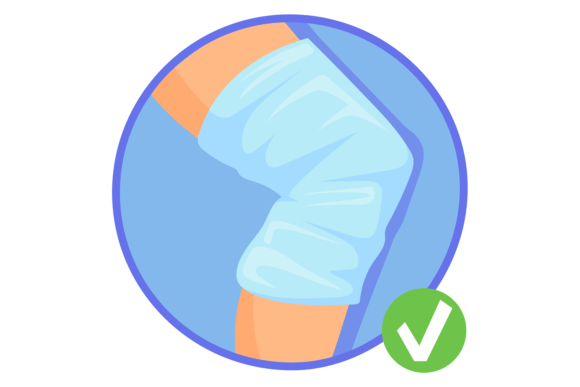
The first thing I noticed about this asset is its clean, isolated presentation. The description highlights Knee bandage infographics. Leg joint injury pain isolated on white background EPS, JPG, SVG, transparent PNG, which immediately signals flexibility. In the world of web design, isolation on a white or transparent background is crucial because it allows the designer to integrate the image seamlessly into any layout without fighting against unwanted borders or backgrounds.
The visual mood here is professional yet accessible. It avoids being overly clinical or sterile, which is a common pitfall in medical illustration. Instead, it strikes a balance that works well for lifestyle-focused blogs, modern health influencers, and educational platforms. The style feels modern design-forward—clean lines, clear shapes, and an intuitive representation of a knee joint wrapped in a supportive bandage. For a content creator, this means the image supports the message without distracting from it. It creates an immediate association with care, recovery, and support, which is exactly the emotional resonance you want when discussing injuries or rehabilitation.
Real-World Publishing Workflows
I recently tested this illustrations pack within a typical publishing workflow for a health affiliate blog. Here is how it integrated into our daily operations:
- Blog Featured Images: We used the SVG version as a central element in a hero image for an article titled "5 Ways to Support Your Knees After Running." The transparency allowed us to overlay text directly on the negative space, creating a strong visual hierarchy.
- Pinterest Pins: Pinterest is a visual search engine, so clarity is key. We placed the graphic on a soft pastel background with bold typography. The result was a pin that stood out in the feed, driving higher click-through rates compared to generic stock photos.
- Newsletter Graphics: For our weekly roundup, we used the JPG version in the header. It added a pop of color and relevance to the email, making it feel more curated and less like a mass blast.
- Digital Guides and Lead Magnets: We included the vector file in a downloadable PDF guide on "Home Exercises for Knee Pain." Because it was an SVG, it remained crisp even when zoomed in, enhancing the perceived value of the digital product.
This versatility is why creative design elements like these are essential for content marketing. They allow you to maintain a consistent aesthetic across multiple touchpoints, from social media previews to long-form articles.
Supporting Content Performance
Using high-quality graphics does more than just fill space; it actively improves user experience. When a reader lands on your page, they form an opinion in seconds. A polished, professionally designed website header or article thumbnail signals authority. If your visuals look outdated or low-resolution, readers may question the accuracy of your medical or fitness advice. By using assets like Knee Bandage Infographics. Leg Joint Inj, you signal that you care about the details. This builds reader trust and encourages longer session times, which is beneficial for SEO.
Furthermore, consistent use of such icons helps establish a recognizable brand identity. Over time, your audience will associate that specific style of illustration with your brand’s voice. Whether you are writing about acute injuries or chronic management, having a library of cohesive design assets ensures your site looks unified.
Where This Asset Shines
Based on my testing, there are specific areas where this commercial design asset performs exceptionally well:
- Hero Images: The large-scale clarity of the SVG makes it perfect for top-of-page banners.
- Article Thumbnails: Its distinct shape reads well even at small sizes, helping users quickly identify relevant posts.
- Editorial Accents: Use it to break up text blocks in long-form guides, keeping the reader engaged.
- Social Media Previews: It translates beautifully to Instagram carousels or Facebook posts, especially when paired with engaging copy.
- Canva Templates: If you offer templates to your audience, including this graphic adds immediate value to your printable design offerings.
Areas Requiring Caution
No single asset fits every scenario. There are contexts where you should use Knee Bandage Infographics. Leg Joint Inj carefully:
- Small Mobile Thumbnails: While the SVG scales well, extremely small thumbnails might lose detail. Always test the JPG version at 100x100 pixels to ensure legibility.
- Text-Heavy Blog Images: Avoid placing too much text over the graphic itself. Let the illustration breathe; use it as a background element or a side accent rather than a canvas for dense paragraphs.
- Low-Contrast Backgrounds: Since the primary colors are likely skin tones, whites, and bandage colors, ensure your background provides enough contrast. A white-on-white setup will make the image disappear.
- Serious Professional Niches: If you are targeting corporate HR departments for workplace safety compliance, this illustration might feel too "lifestyle" oriented. In those cases, a more technical diagram might be preferred.
Practical Publisher Notes for Implementation
To get the most out of this creative marketplace find, follow these technical checks before publishing:
Test Across Devices: View the asset on both desktop monitors and mobile phones. Check how it renders in different browsers. Ensure that the transparent PNG does not have jagged edges (aliasing) when scaled down.
Check File Size and Performance: Even though SVGs are lightweight, large raster images (JPG/PNG) can slow down your site. Compress your images using tools like TinyPNG before uploading. Page speed is a ranking factor, and heavy graphics can hurt your affiliate marketing conversions by increasing load times.
Typography Pairing: Experiment with font pairings. This graphic pairs well with clean sans-serif fonts for a modern look, but also works surprisingly well with serif fonts if you are aiming for a more traditional editorial feel. Try placing it beside script fonts for a softer, approachable vibe, though readability should always come first.
Commercial Licensing: Before using this asset on monetized websites, affiliate pages, or paid content products, confirm the commercial license. Most reputable marketplaces allow commercial use, but some restrict resale or require attribution. Ensure you are compliant to protect your business.
Final Thoughts on Design Assets
In the crowded space of online publishing, visual quality is a competitive advantage. Knee Bandage Infographics. Leg Joint Inj offers a robust, flexible solution for creators in the health and wellness sector. It supports everything from lead magnet creation to daily social media updates. By integrating such thoughtful illustrations into your workflow, you elevate your content from mere information to a polished, trustworthy experience. For bloggers, designers, and small business owners alike, investing in high-quality graphic design assets is an investment in your brand’s credibility and growth.